At Salbar Fysiotherapie in Vinkeveen, I use a range of treatment methods. But treatment never begins with the question: “Which technique shall we use today?” The first question is: “What does this patient need to function better?” The choice of treatment therefore always follows from the physiotherapy assessment, your symptoms, your capacity to tolerate activity and your personal goals. Sometimes exercise therapy is the main intervention. Sometimes a manual technique can temporarily help you move better. Sometimes an additional treatment can be useful. And sometimes no additional technique is needed at all.
Exercise therapy and rehabilitation
For many musculoskeletal conditions, active movement is the foundation of lasting recovery. Depending on your situation, exercise therapy may focus on:
- mobility;
- muscle strength;
- stability;
- coordination;
- balance;
- fitness;
- movement control;
- functional loading;
- returning to work;
- returning to sport.
The exercises are adapted to your level and progressed gradually. The aim is not simply to perform an exercise well in the treatment room. The aim is to enable you to do what matters in your everyday life again.
Mobilisation and manual techniques
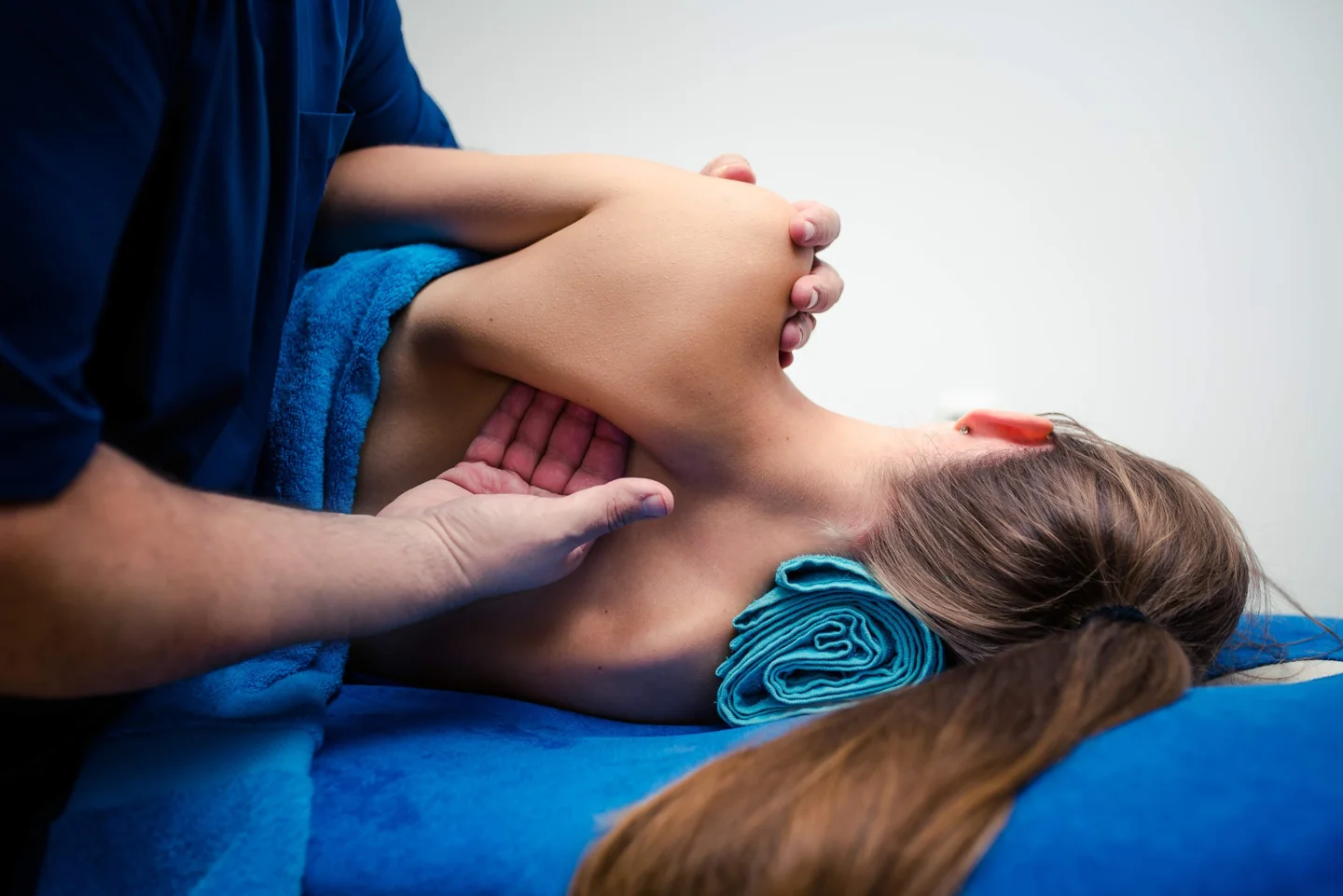
Manual treatment techniques may be used when movement feels painful, stiff or restricted. Using controlled movements and pressure, I can try to:
- make movement temporarily easier;
- reduce pain;
- increase confidence in movement;
- or create a better starting point for active exercise therapy.
I do not use manual techniques on the assumption that a joint repeatedly needs to be “put back into place”. Treatment is evaluated on the basis of its actual effect on your symptoms and function.
Mulligan techniques
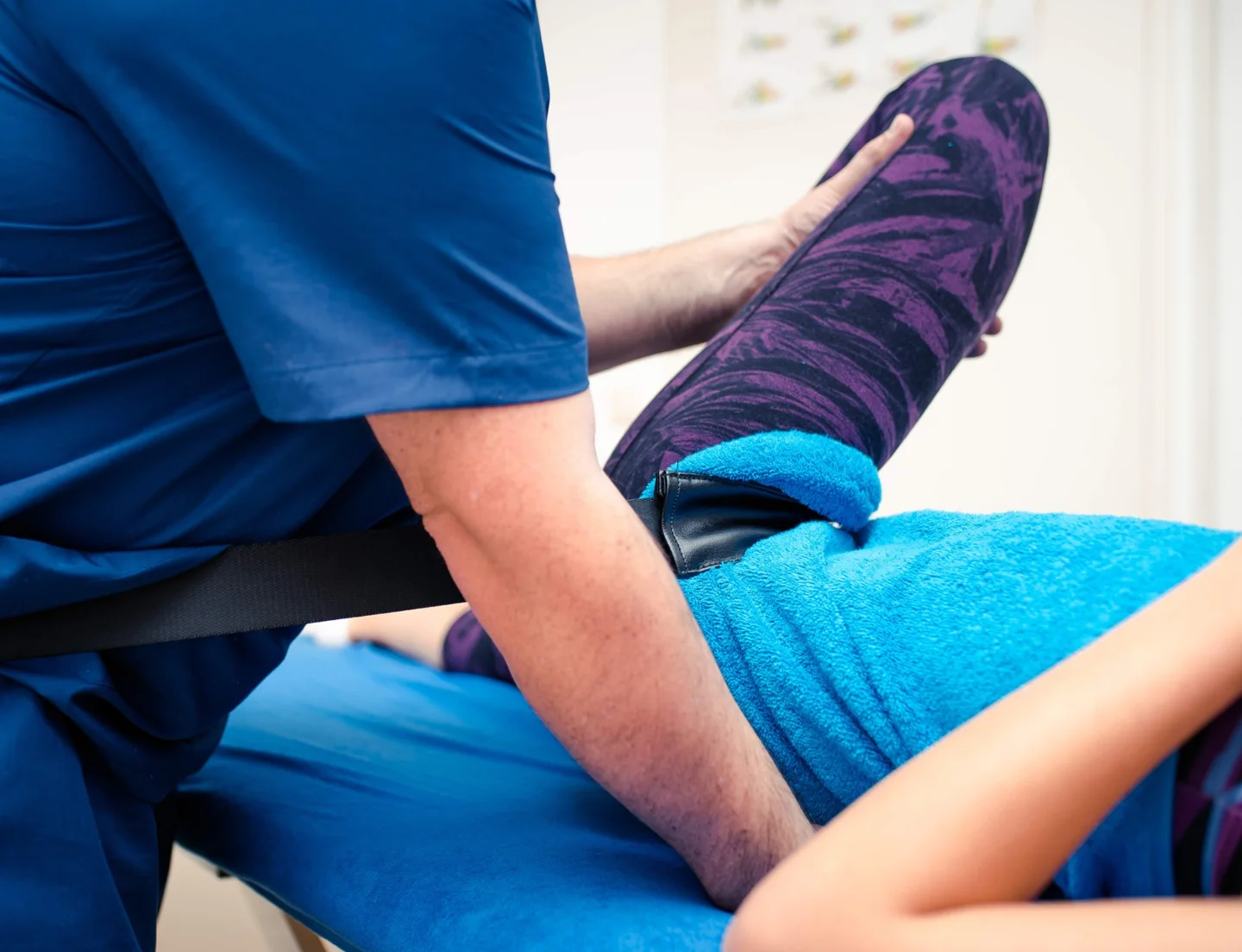
The Mulligan Concept combines a physiotherapist’s mobilisation technique with the patient’s active movement. During treatment, we identify a movement that is painful or restricted. With a specific mobilisation, we can test that same movement again. If it immediately becomes easier or more comfortable, the technique may be used temporarily as part of treatment. The result is checked repeatedly.
IASTM
IASTM stands for Instrument Assisted Soft Tissue Mobilisation. This technique uses specially designed instruments to apply controlled mechanical and sensory stimulation to the skin and superficial tissues. IASTM is not used with the aim of literally breaking up fascia, scar tissue or “adhesions”. In selected patients, it may be used to:
- temporarily influence pain;
- improve comfort during movement;
- support range of movement;
- or make active exercise therapy easier to perform.
IASTM is always an additional intervention.
Soft tissue techniques
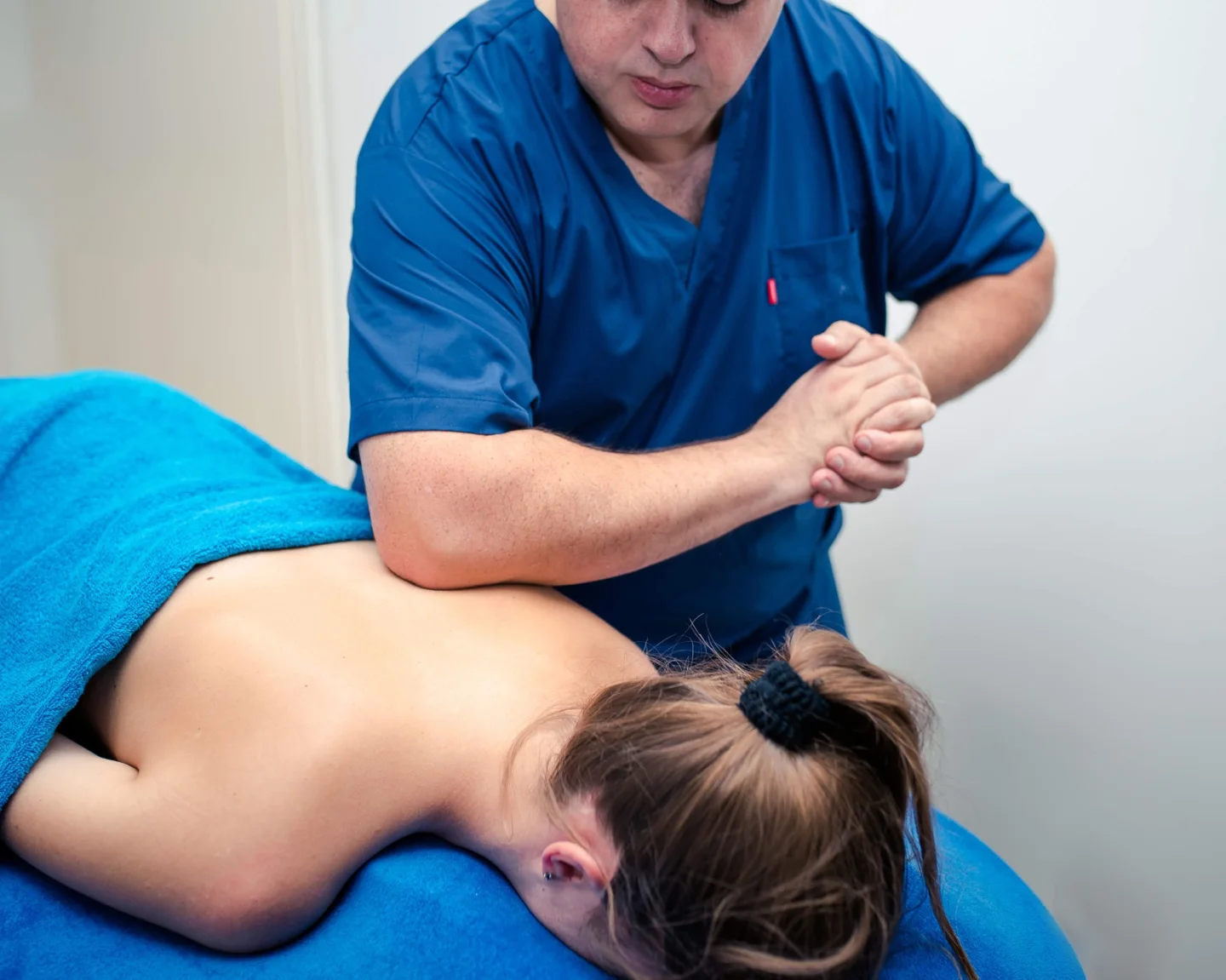
Alongside IASTM, various manual techniques may be used for muscles and other superficial tissues. These may include:
- massage;
- local pressure techniques;
- myofascial techniques;
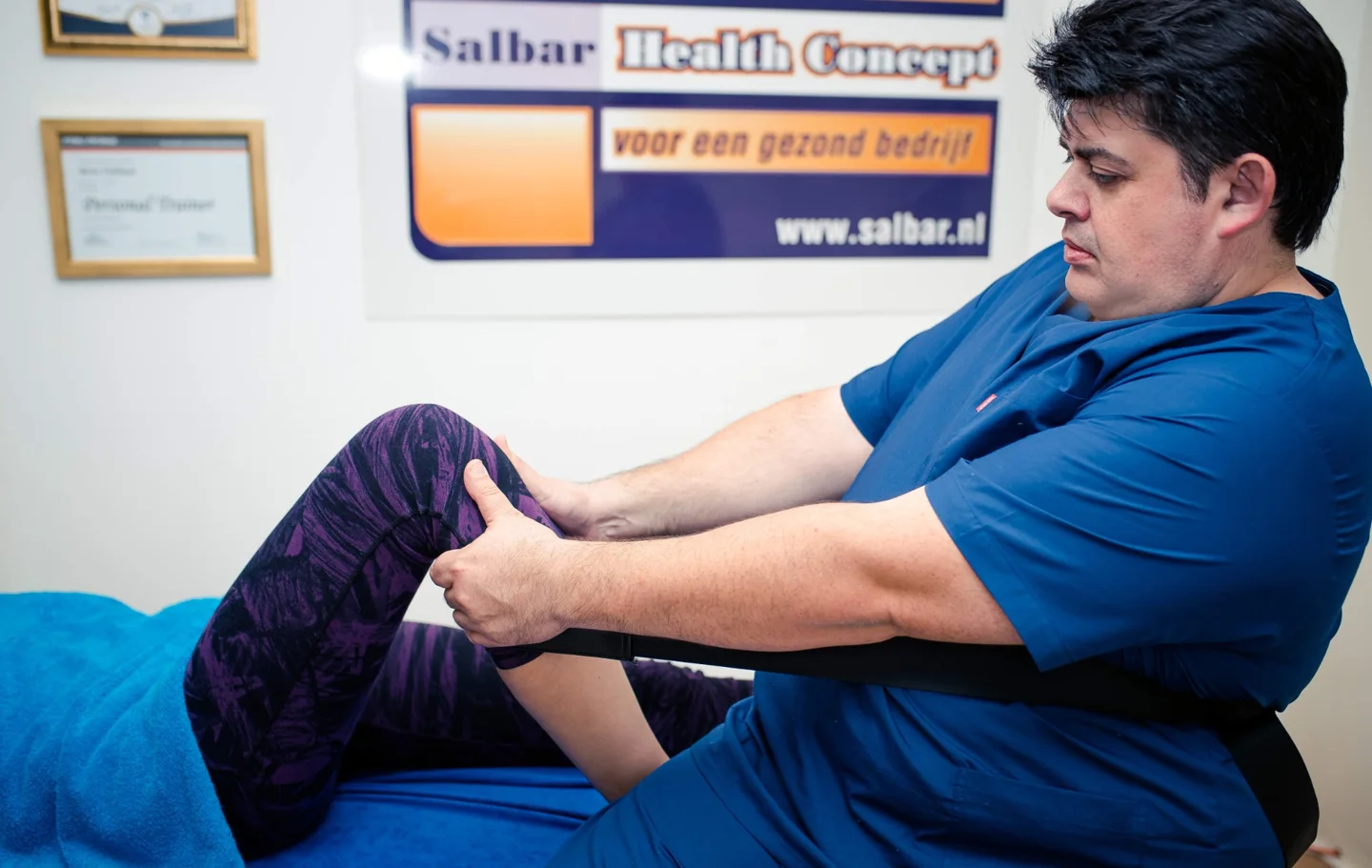
- assisted stretching;
- trigger point-focused treatment.
The modern view is not that muscles or fascia simply need to be “released”. Hands-on treatment provides sensory input and can temporarily influence pain, muscle tension and comfort during movement. This effect can then be used to support a return to active movement.
Flossing
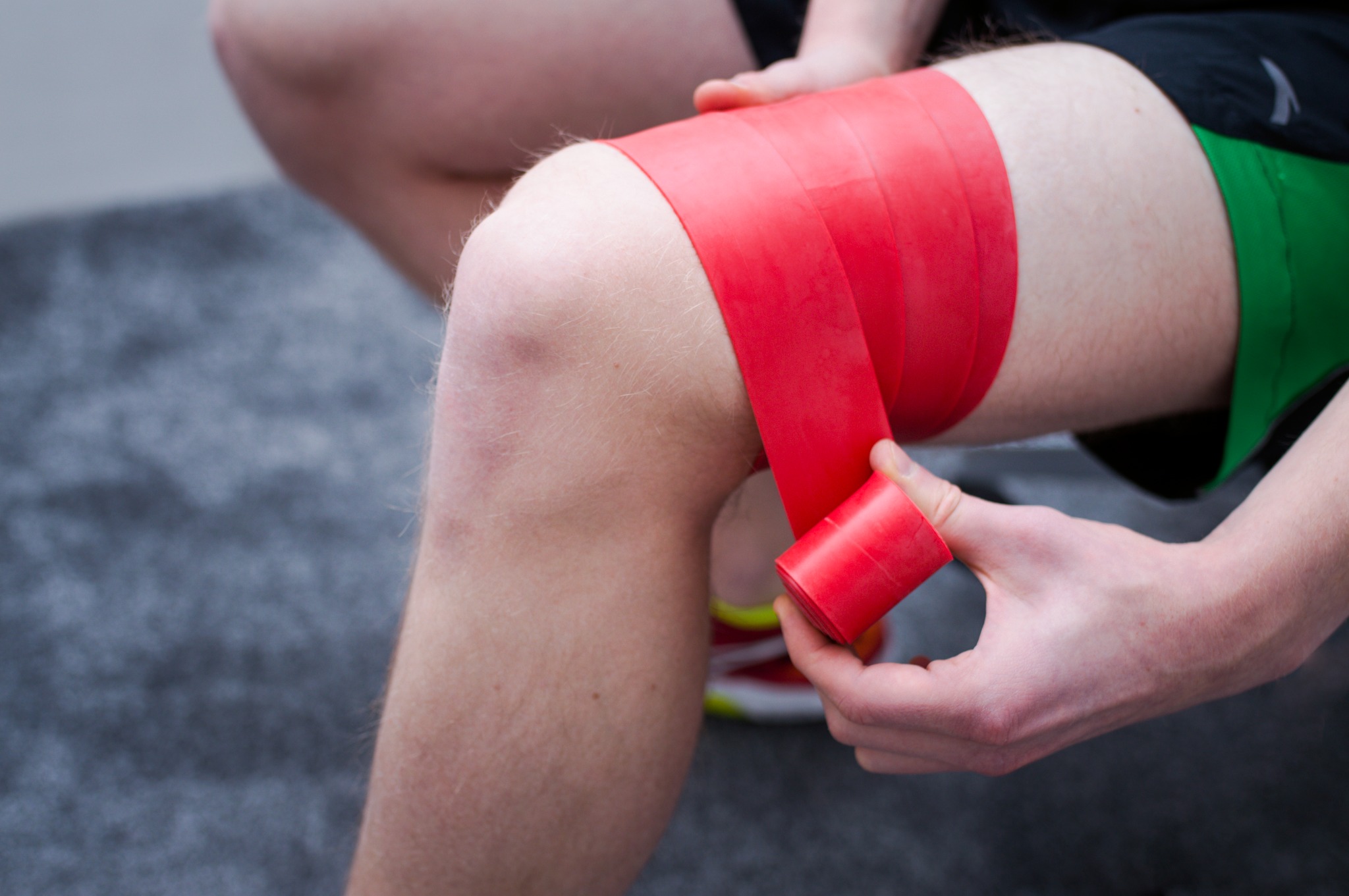
Flossing involves temporarily wrapping an elastic band around an arm or leg while certain movements are performed. In selected patients, this technique may be used to temporarily influence:
- comfort during movement;
- mobility;
- or how a particular movement feels.
Flossing is not a treatment for every condition and is only used when there is a clear reason to try it within the treatment plan.
Kinesiology taping and dynamic taping
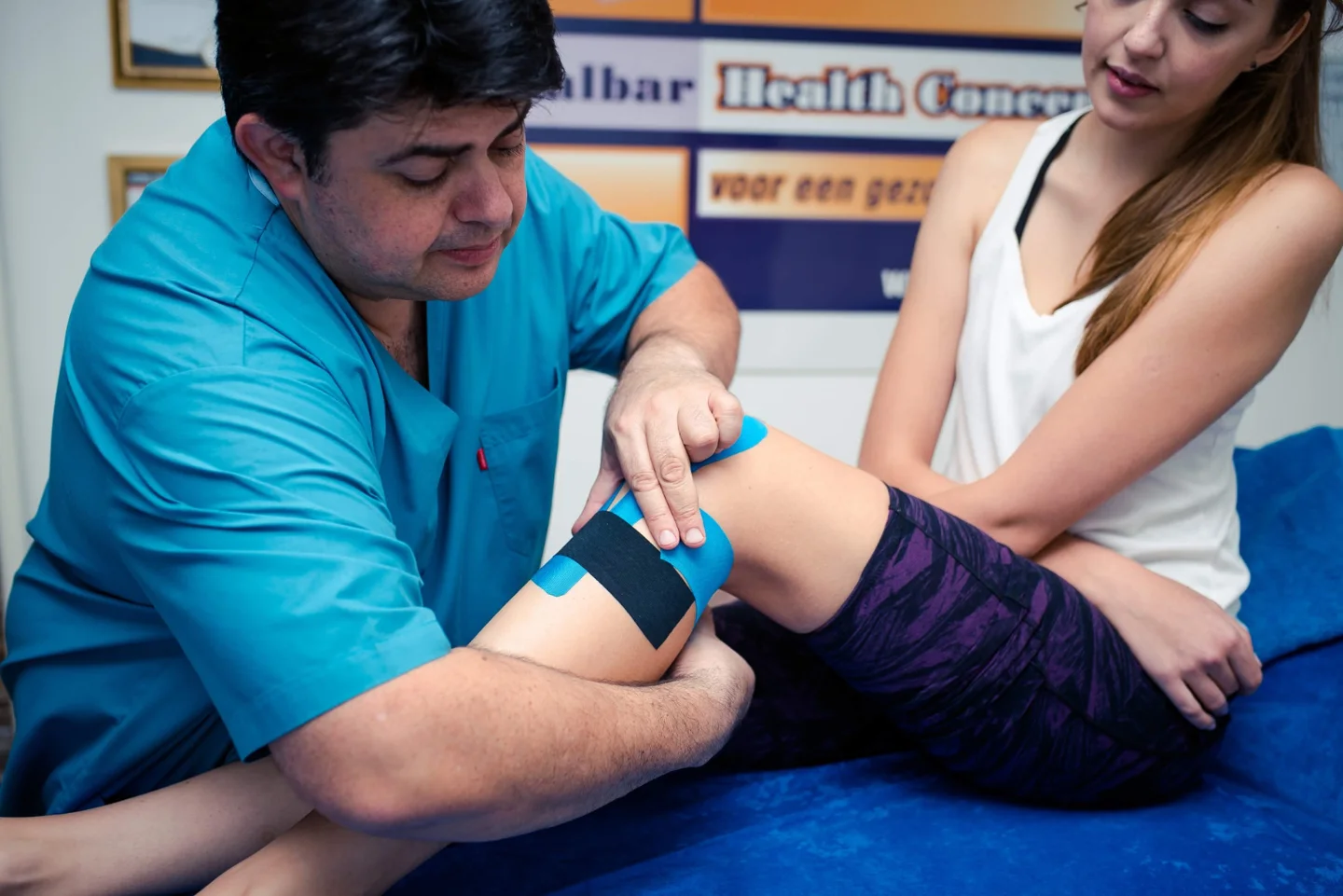
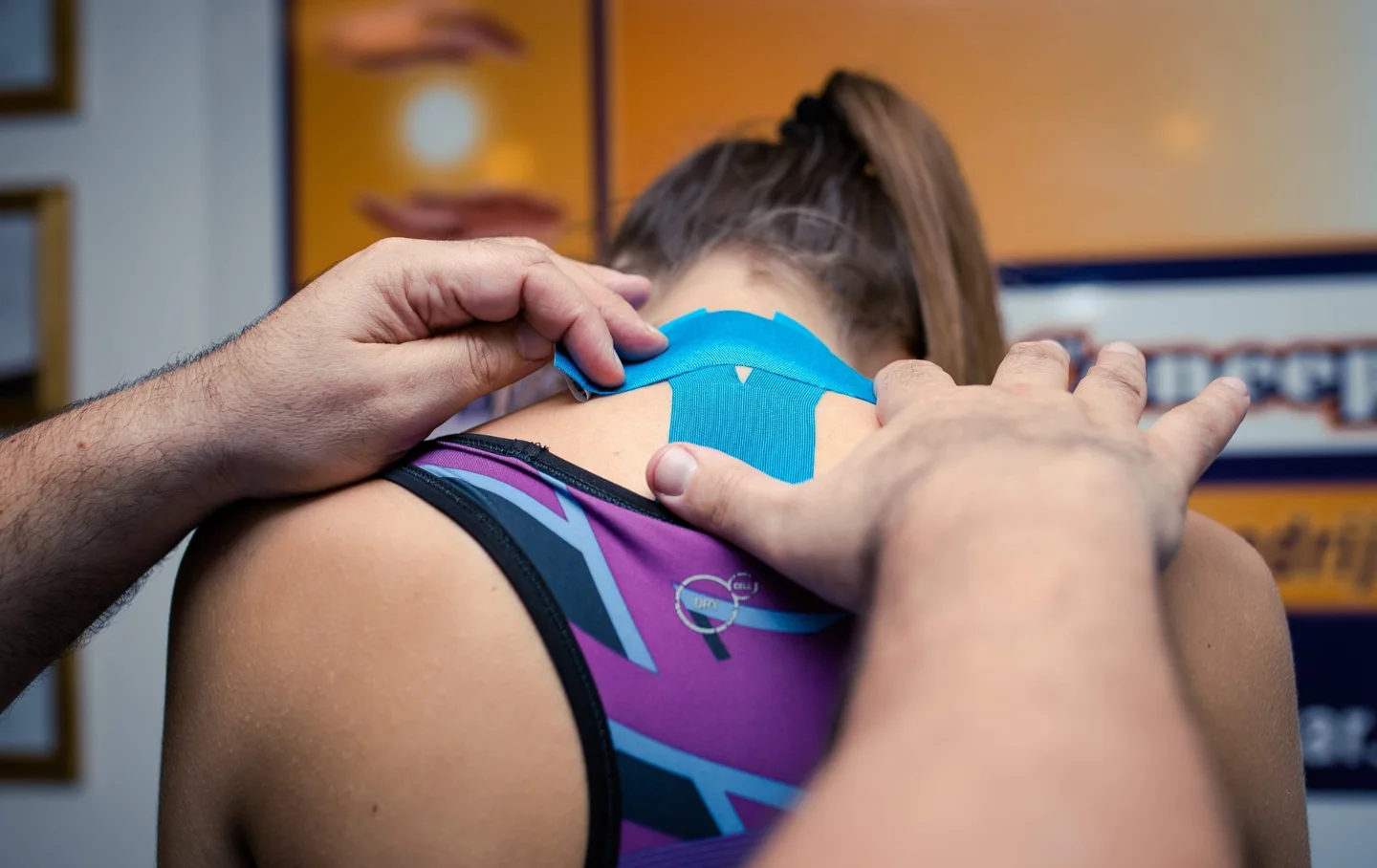
Tape can be used in different ways. Depending on the aim, taping may:
- provide sensory feedback;
- guide a movement;
- provide temporary support;
- or influence symptoms during certain activities.
Tape does not usually change an underlying condition on its own. I therefore mainly use taping as temporary support within a wider treatment or rehabilitation plan.
Orthoses and external support
Temporary external support can sometimes help reduce the load on a painful structure or make movement easier. This may involve:
- braces;
- bandages;
- taping;
- or simple orthoses.
The aim is usually not to make you permanently dependent on an aid. Wherever possible, we also rebuild your own capacity to tolerate activity.
Neurodynamic techniques
Nerve tissue needs to adapt to changes in position and tension during movement. For certain radiating symptoms, tingling or nerve-related symptoms, neurodynamic techniques may form part of the assessment and treatment. These techniques are progressed carefully. The aim is not to “stretch” a nerve forcefully, but to gradually normalise movement and loading of the nervous system.
PNF and neuromuscular training
PNF stands for Proprioceptive Neuromuscular Facilitation. This approach uses specific movement patterns and resistance to train, among other things:
- muscle activation;
- coordination;
- strength;
- and movement control
to train. Elements of PNF can be incorporated into functional rehabilitation.
Stretching and mobility training
Stretching can be useful when a specific restriction in movement affects your function. But not every stiff muscle automatically needs to be lengthened. I therefore first consider:
- which movement is actually restricted;
- whether that restriction causes a problem;
- and whether stretching has a real effect.
Mobility training can include both active and passive exercises.
Shockwave
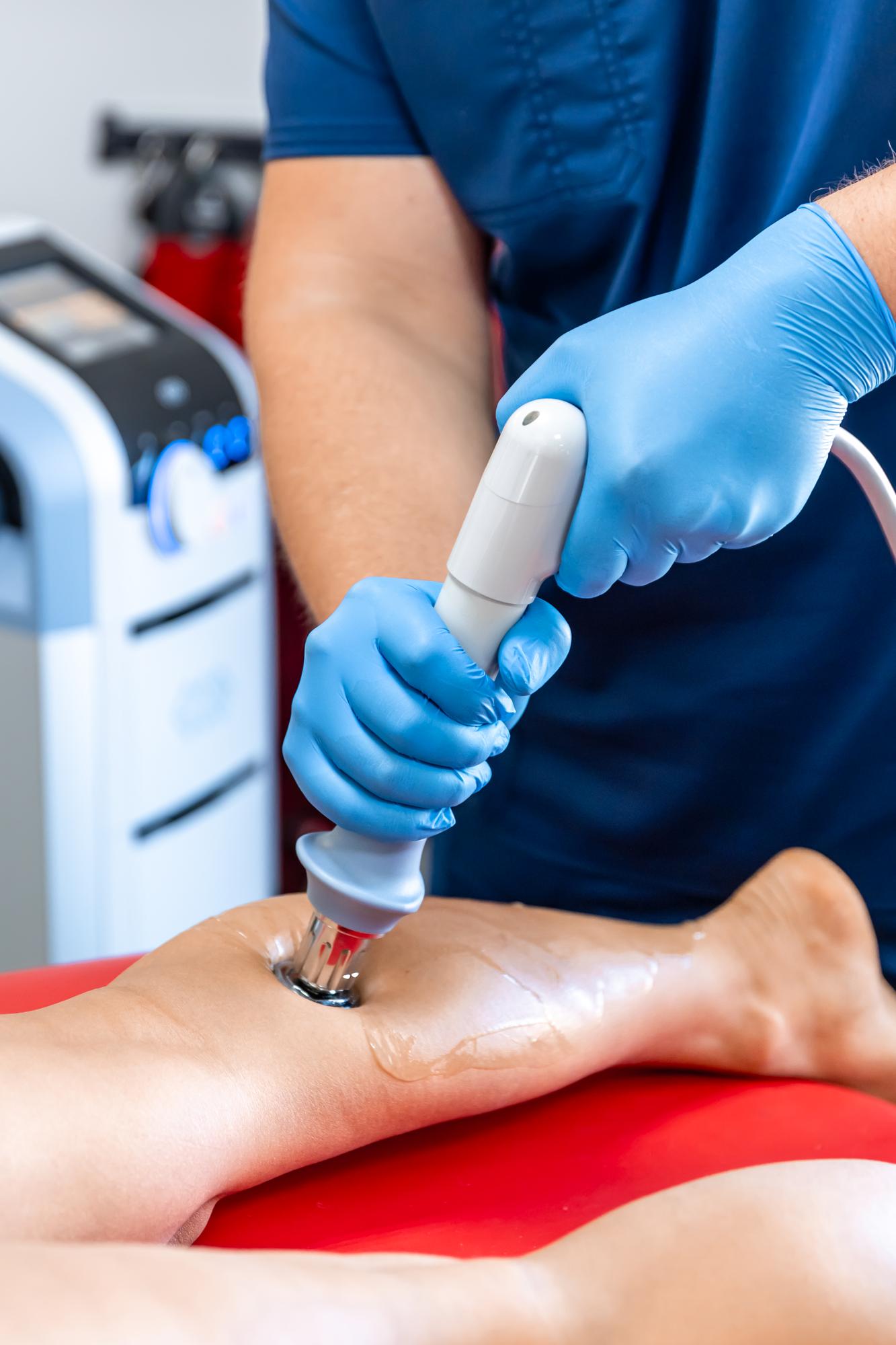
Shockwave is a treatment that applies mechanical pressure waves to a specific area. It is mainly used for certain persistent tendon-related conditions. For example, shockwave may be considered for selected problems around the:
- Achilles tendon;
- patellar tendon;
- elbow;
- shoulder;
- or heel area.
Shockwave is not used as a universal treatment for pain. For many tendon conditions, progressive exercise therapy and loading remain an important part of recovery.
Neuromuscular electrical stimulation
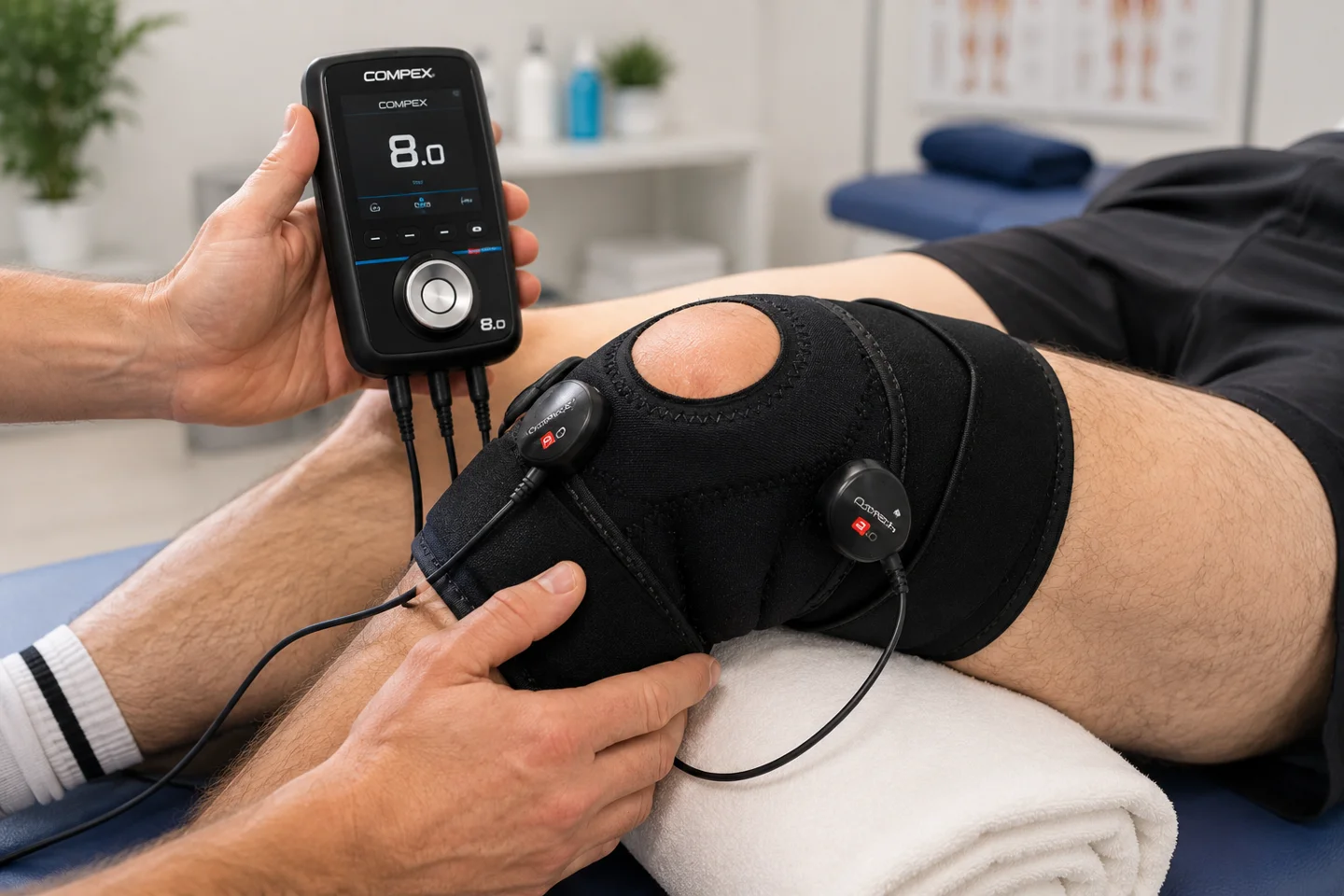
NMES uses electrical impulses to support a muscle contraction. This can be relevant in specific situations where a muscle is difficult to activate voluntarily, for example after:
- surgery;
- immobilisation;
- or a marked decline in muscle function.
NMES does not replace strength training. It may, however, temporarily help support muscle activation and rehabilitation.
TENS
TENS stands for Transcutaneous Electrical Nerve Stimulation. Electrical stimulation is delivered through electrodes. In some patients, TENS may temporarily help modulate pain. The effect varies from person to person. TENS is therefore only used when it adds value to your treatment.
Tecar
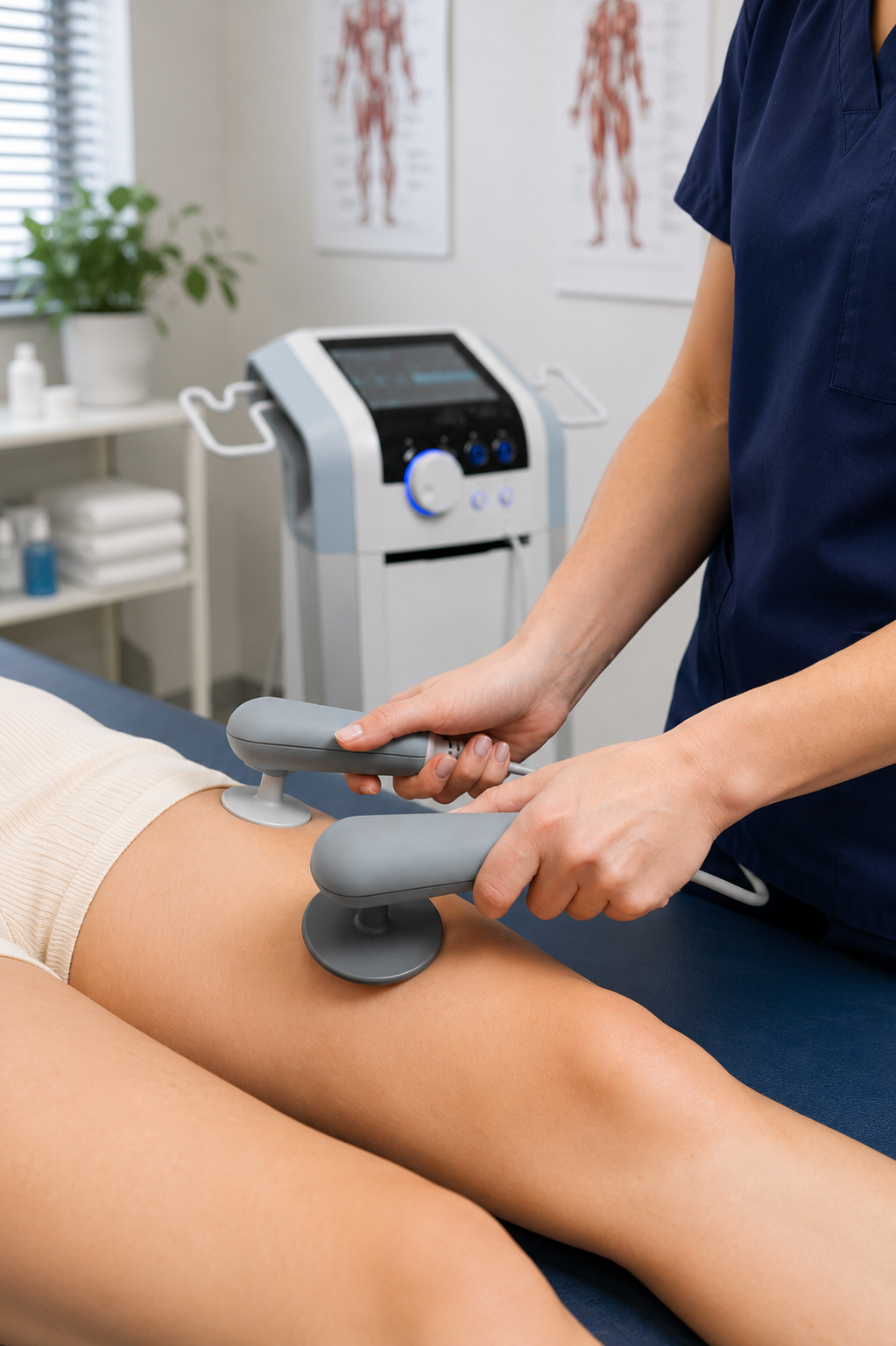
Tecar is a form of radiofrequency energy application that may be used as an additional treatment modality. Some patients experience the following during or after treatment:
- warmth;
- relaxation;
- or a temporary reduction in symptoms.
At Salbar, Tecar is not presented as a solution for all musculoskeletal problems. The technique is only used when it fits within a wider treatment plan.
Cupping
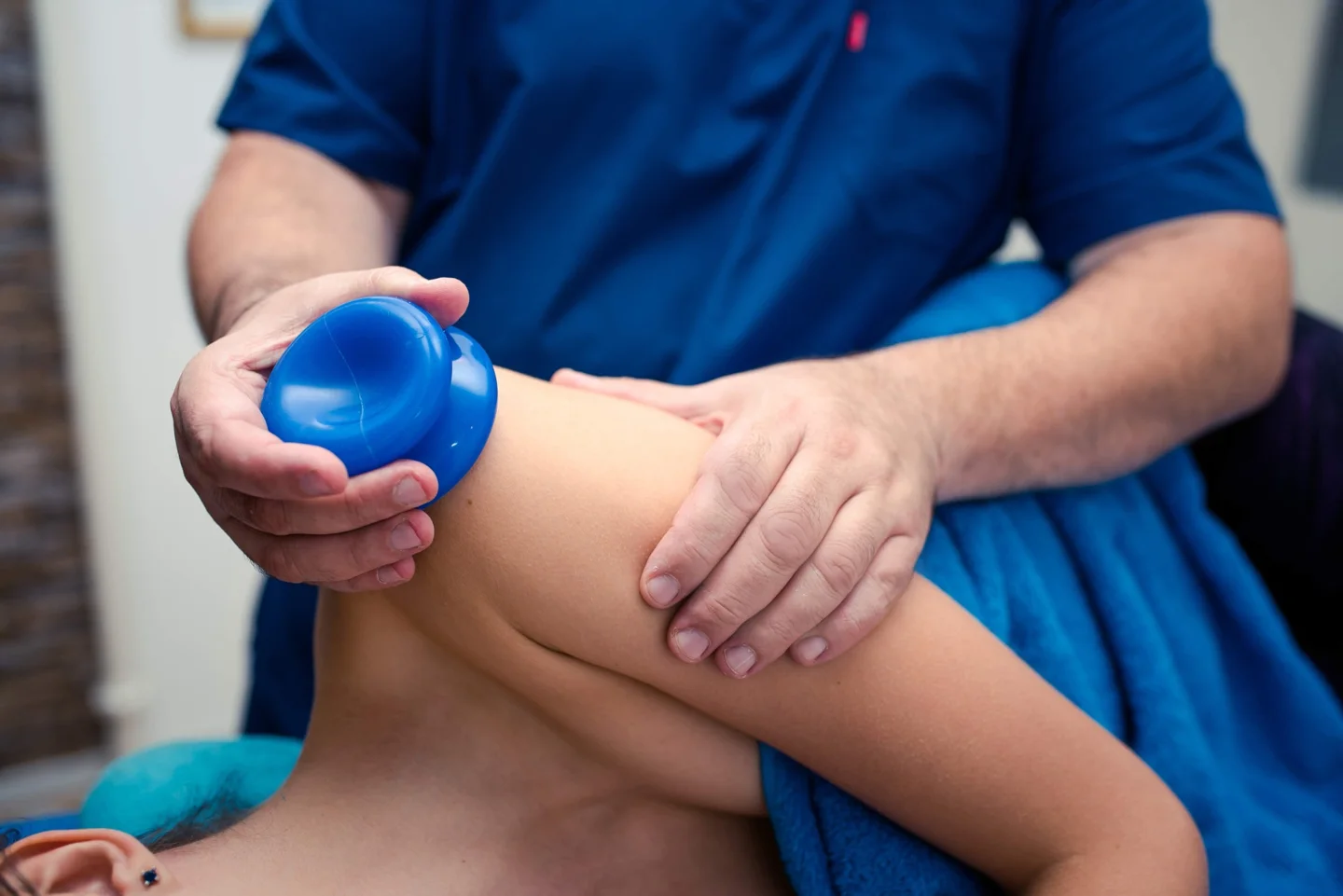
Cupping uses suction to provide strong sensory and mechanical stimulation to the skin and superficial tissues. Afterwards, some patients temporarily experience:
- less tension;
- easier movement;
- or a change in pain.
The circular discolouration that can occur after cupping is not evidence that “toxins” have been removed from the body. Cupping is used only as an additional intervention when appropriate.
Percussion therapy
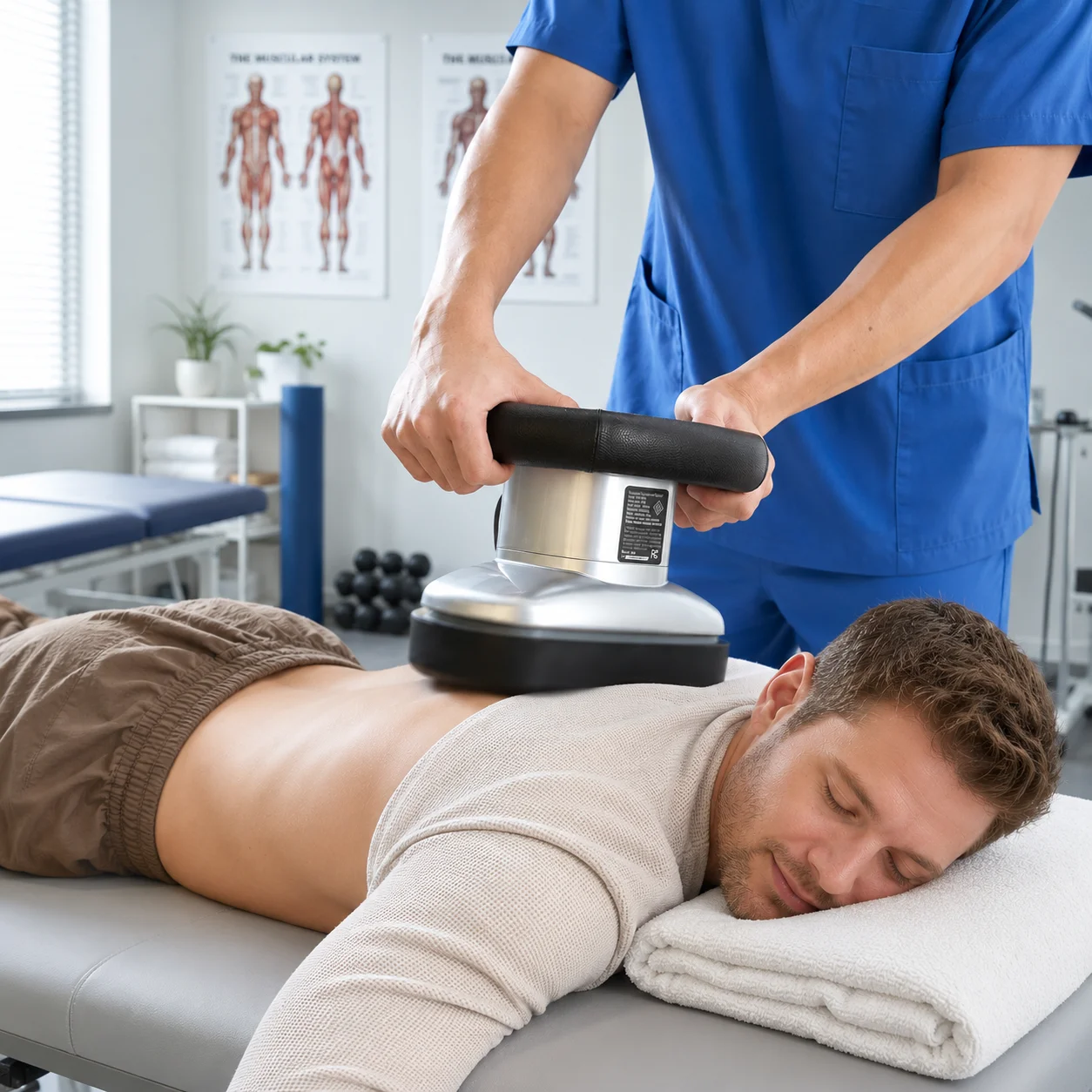
Percussion devices may be used locally to provide strong sensory stimulation to muscles and superficial tissues. For example, they may be used as part of a warm-up or to temporarily influence comfort during movement. Here too, a device does not replace assessment, exercise therapy or progressive loading.
Heat and cold
Heat or cold may sometimes be used to temporarily influence symptoms. Heat may feel pleasant for stiffness or muscle tension, for example. Cold may temporarily reduce pain in certain acute situations. These interventions mainly have a supporting role.
Breathing and relaxation
Breathing, tension and stress can affect how the body feels and moves. For some patients, it may therefore be relevant to focus on:
- breathing patterns;
- relaxation;
- muscle tension;
- recovery;
- and body awareness.
I may use breathing and relaxation techniques for this. These techniques are not used as an explanation for all physical symptoms, but when they are relevant to the individual’s situation.
Motivational interviewing and self-management
Good recovery depends on more than what happens in the treatment room. Where needed, I therefore also discuss:
- activity and recovery;
- exercise habits;
- daily habits;
- expectations;
- barriers;
- and ways to continue independently.
The ultimate aim is for you to become increasingly less dependent on treatment.
Which treatment is best?
No single treatment technique is best for every patient. The same diagnosis may require a completely different approach in different patients. I therefore always consider your symptoms, your function, your capacity to tolerate activity, your goals and your response to treatment. A technique that offers no clear additional benefit does not need to be repeated indefinitely.
Assess first, then treat
Where possible, I compare a relevant movement before and after an intervention. For example:
- does the pain change?
- does range of movement increase?
- is walking easier?
- can you generate more strength?
- does a particular activity feel better?
This helps us base treatment on as few assumptions as possible.
More than a collection of individual techniques
The fact that I can use many treatment methods does not mean every patient needs many techniques. Quite the opposite. A broad toolbox is especially useful when you know which tools you do not need. Treatment should be as simple as possible, but comprehensive enough to achieve your goal.
Treatment by Boris Feldman
All treatments at Salbar Fysiotherapie are provided by:
Boris Feldman
At Salbar Fysiotherapie, years of clinical experience are complemented by ongoing professional development. Boris Feldman has practised as a physiotherapist since 1996. Assessment, treatment and evaluation are tailored to your capacity, recovery and the activities that matter to you.
Treatment in Vinkeveen
Salbar Fysiotherapie is located at: Scholeksterlaan 2, 3645 KC Vinkeveen. Would you like to know which treatment suits your symptoms? You do not need to decide this yourself beforehand. The first step is a physiotherapy assessment. We then discuss the most appropriate approach.
Salbar Fysiotherapie Boris Feldman – physiotherapist